Successful Web Application Examples and What We Can Learn from Them
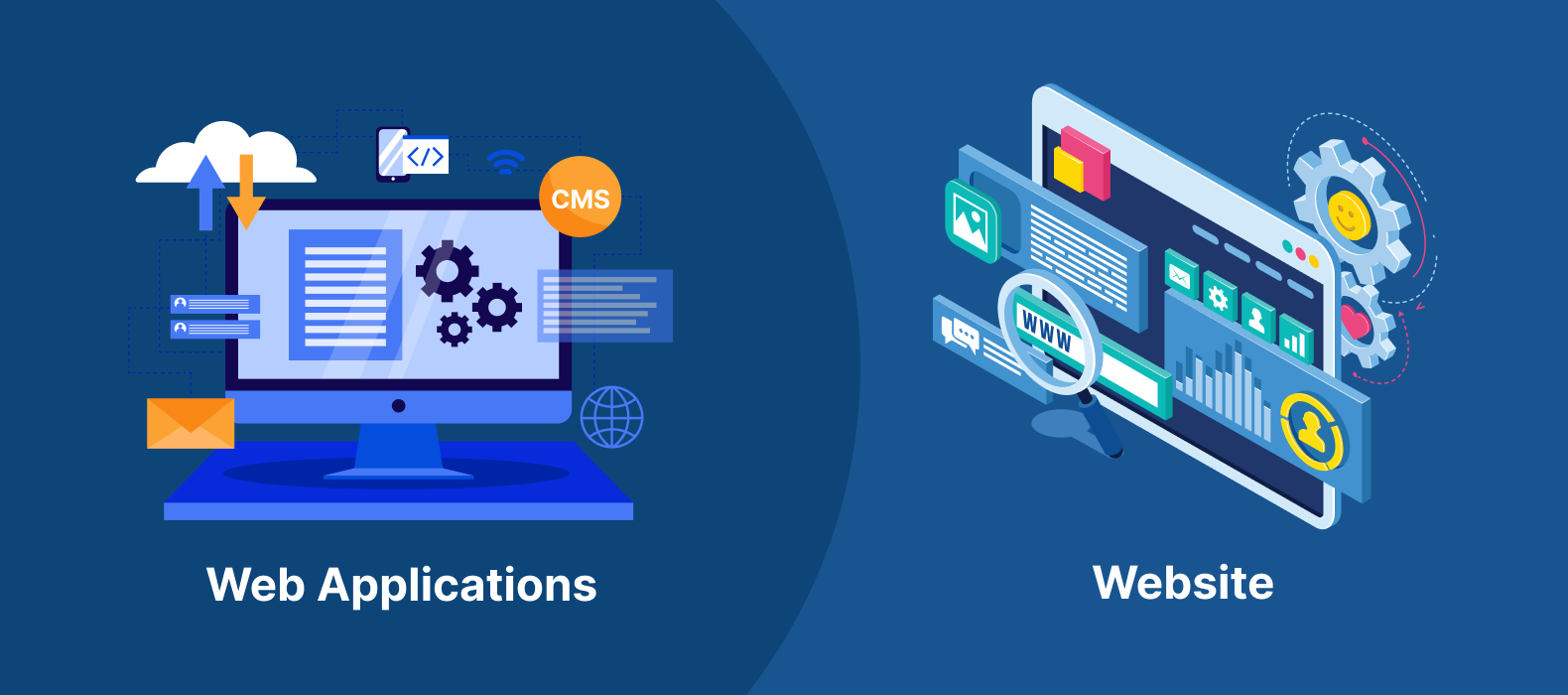
In the digital age, web applications play a critical role in how businesses operate and engage with their customers. By analyzing successful web application examples, we can gain valuable insights into best practices and strategies that contribute to their success. This blog will explore the key traits of successful web applications and provide actionable takeaways for designing and developing your own.
Common Traits of Successful Web Applications
User-Centric Design
One of the most important aspects of any successful web application is its focus on the user. A user-centric design ensures that the application is intuitive, easy to navigate, and provides a seamless experience. This involves understanding user needs, preferences, and behaviors, and incorporating these insights into the design process.
Scalability and Performance
Scalability is crucial for web applications that anticipate growth. Successful web applications are built to handle increasing amounts of traffic and data without compromising performance. This involves efficient load balancing, optimizing code, and leveraging cloud services to manage resources dynamically.
Robust Security Measures
Security is a top priority for web applications, especially those handling sensitive data. Implementing robust security measures, such as data encryption, regular security audits, and strong user authentication protocols, is essential to protect user information and maintain trust.
Seamless Integration with Other Tools
In today’s interconnected world, web applications often need to integrate with various third-party tools and services. Successful web applications provide seamless integration capabilities through well-designed APIs and compatibility with popular services, enhancing their functionality and user experience.
User-Centric Design
Intuitive User Interface
An intuitive user interface (UI) is essential for a positive user experience. This involves designing a clean, visually appealing layout that guides users through the application effortlessly. Key elements include clear navigation menus, logical flow, and consistent design patterns.
Personalization and Customization
Personalization and customization options can significantly enhance user satisfaction. By allowing users to tailor their experience based on their preferences and needs, web applications can provide more relevant content and features, increasing engagement and loyalty.
Accessibility Considerations
Ensuring that a web application is accessible to all users, including those with disabilities, is not only a legal requirement but also a best practice. This involves following web accessibility guidelines, such as providing alternative text for images, using keyboard-friendly navigation, and ensuring readability with appropriate color contrasts.
Scalability and Performance
Handling High Traffic Volumes
Successful web applications are designed to handle high traffic volumes without sacrificing performance. This involves implementing scalable infrastructure, such as cloud-based solutions, that can dynamically allocate resources based on demand.
Efficient Load Balancing
Load balancing distributes incoming network traffic across multiple servers to ensure no single server becomes overwhelmed. This not only improves performance but also enhances the reliability and availability of the web application.
Optimizing for Speed and Responsiveness
Speed and responsiveness are critical factors in user satisfaction. Techniques such as code optimization, caching, and minimizing HTTP requests can significantly improve load times and overall performance, providing a smoother user experience.
Robust Security Measures
Data Encryption and Protection
Protecting user data through encryption is a fundamental security measure. This involves using SSL/TLS protocols to encrypt data transmitted between the user and the server, as well as encrypting sensitive data stored in databases.
Regular Security Audits
Conducting regular security audits helps identify and address potential vulnerabilities in the web application. This proactive approach ensures that security measures remain effective against emerging threats.
User Authentication and Authorization
Implementing strong user authentication and authorization mechanisms is crucial for preventing unauthorized access. This includes using multi-factor authentication (MFA), secure password policies, and role-based access control (RBAC) to manage user permissions.
Seamless Integration with Other Tools
API Integrations
APIs (Application Programming Interfaces) enable web applications to communicate and interact with other software systems. By providing robust API integrations, web applications can extend their functionality and offer a more comprehensive solution to users.
Third-Party Services
Integrating third-party services, such as payment gateways, email marketing platforms, and social media channels, can enhance the capabilities of a web application. Successful examples demonstrate how seamless integration can improve user experience and streamline operations.
Streamlining Workflow with Integrations
Integrations can also help streamline workflows by automating tasks and enabling data synchronization across different systems. This reduces manual effort, minimizes errors, and improves overall efficiency.
Effective Use of Data and Analytics
Gathering User Insights
Data and analytics play a crucial role in understanding user behavior and preferences. By gathering and analyzing data, businesses can make informed decisions about feature development, content strategy, and marketing efforts.
Data-Driven Decision Making
Successful web applications leverage data-driven decision making to continuously improve their offerings. This involves using analytics tools to track key metrics, such as user engagement, conversion rates, and retention, and using this data to guide strategic decisions.
Continuous Improvement through Analytics
Analytics also enable continuous improvement by identifying areas for enhancement. By monitoring user behavior and feedback, businesses can make iterative changes that enhance the user experience and meet evolving needs.
Adapting to User Feedback
Importance of Listening to Users
Listening to user feedback is essential for maintaining a successful web application. Users provide valuable insights into what works well and what needs improvement, helping businesses make informed decisions.
Implementing User Suggestions
Implementing user suggestions demonstrates that a business values its users and is committed to meeting their needs. This can lead to increased user satisfaction and loyalty, as users feel heard and appreciated.
Creating a Feedback Loop
Creating a feedback loop involves regularly soliciting feedback, analyzing it, and making necessary adjustments. This iterative process ensures that the web application remains relevant and continues to meet user expectations.
Sustainability and Maintenance
Regular Updates and Bug Fixes
Regular updates and bug fixes are critical for maintaining the performance and security of a web application. This includes patching vulnerabilities, improving functionality, and keeping the software compatible with the latest technologies.
Ensuring Long-Term Viability
Ensuring the long-term viability of a web application involves planning for scalability, maintaining code quality, and staying current with industry trends. This proactive approach helps future-proof the application and keeps it competitive.
Keeping Up with Technology Trends
Staying abreast of technology trends is essential for maintaining a cutting-edge web application. This includes adopting new technologies, frameworks, and best practices that can enhance performance, security, and user experience.
Conclusion
In conclusion, analyzing successful web application examples provides valuable insights into best practices and strategies that can be applied to your own projects. From user-centric design and robust security measures to seamless integrations and effective use of data, these examples highlight the key factors that contribute to success.
For businesses looking to create or improve their web applications, partnering with a professional team, such as a website design Houston company, can provide the expertise and support needed to achieve your goals. By following these best practices, you can build a web application that not only meets your business objectives but also delivers an exceptional user experience.
This blog incorporates the keywords "Web Application Examples" and "website design Houston" naturally within the content, providing a comprehensive guide to best practices in web application design.


